Ceiling Leak in Your HDB Flat? Causes, Warning Signs and What to Do
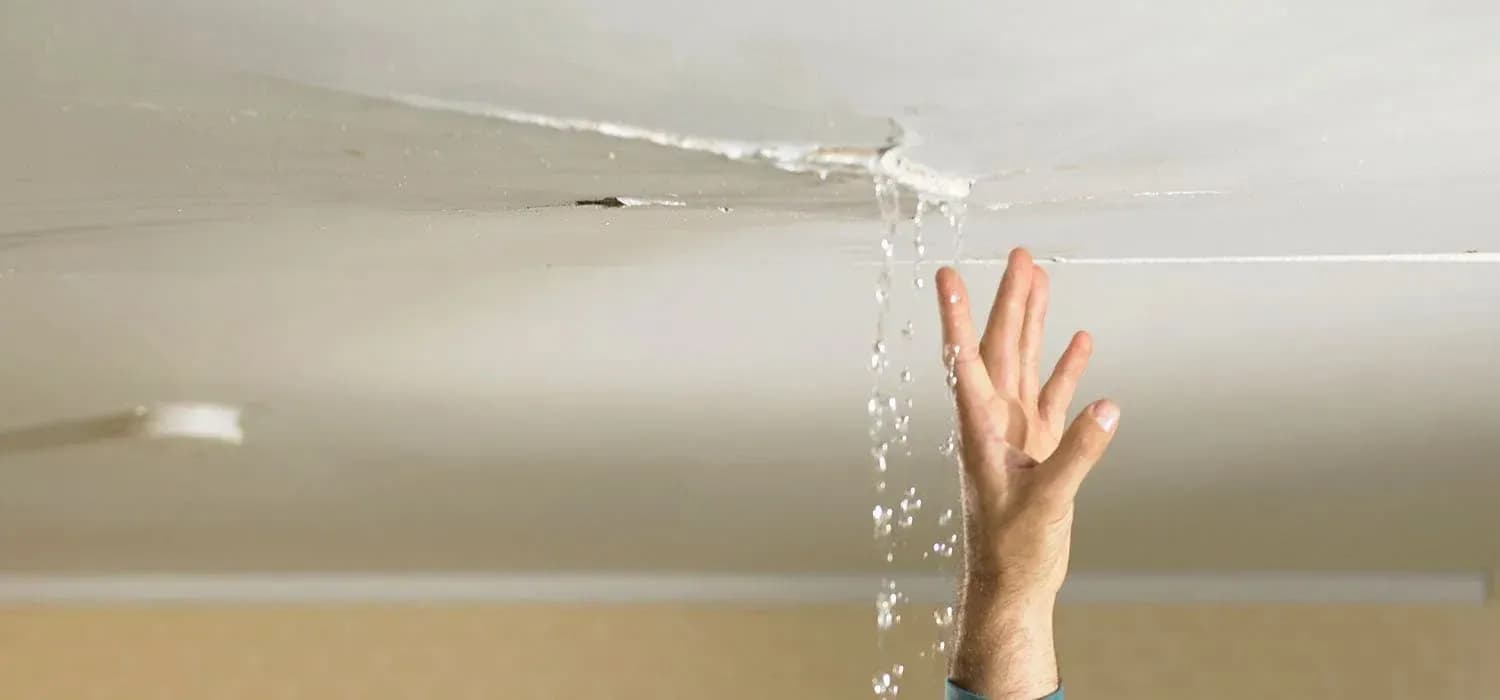
Few things are as worrying as noticing a brown stain spreading across your ceiling, or hearing water drip onto the floor at night. Ceiling leaks are one of the most common home repair problems in Singapore, especially in HDB flats and condos where units are stacked directly on top of each other.
The tricky part is that the stain you see is rarely where the leak actually starts. Water can travel along slabs, pipes and joints before it finally shows up on your ceiling. In this guide, we explain the common causes of ceiling leaks, the warning signs to watch for, what to do straight away and how leaks are properly repaired.
Common Causes of Ceiling Leaks
1. Failed Bathroom Waterproofing in the Unit Above
This is the most frequent cause in HDB flats and condos. Bathroom floors have a waterproofing membrane beneath the tiles. Over the years, this membrane can deteriorate, and cracked tile grout or gaps around floor traps let water seep through. The water then drips into the ceiling of the unit below, often appearing under the bathroom above.
2. Leaking Concealed Pipes
Water supply and drainage pipes run through walls, floors and ceilings. A cracked pipe, a loose joint or a worn fitting can leak slowly for weeks before the damage becomes visible.
3. Roof and External Wall Problems
For top-floor units and landed homes, leaks may come from the roof or external walls. Cracked roof tiles, blocked gutters and gaps in the building's outer surface let rainwater in, especially during heavy storms.
4. Air-Conditioner Condensation
Air-conditioner units produce water that flows out through a drainage pipe. If that pipe is choked, poorly sloped or disconnected, water can overflow into the false ceiling around the indoor unit.
5. Window and Wall Seepage
Rainwater can seep through gaps in window frames or cracks in walls, then run down inside the structure and show up as damp patches near the ceiling line.
Warning Signs You Shouldn't Ignore
Ceiling leaks rarely start with a dramatic drip. Look out for these early signs:
Yellow or brown water stains that slowly grow larger
Bubbling, flaking or peeling paint on the ceiling
Black spots of mould, often with a musty smell
A sagging or soft section of false ceiling
Damp patches that get worse after rain or after the unit above uses the shower
Cracked or spalling concrete, sometimes with rust stains
Timing is a useful clue. If the stain gets worse after heavy rain, the source is likely external. If it gets worse after your upstairs neighbour showers, the bathroom above is the likely cause.
What to Do When You Spot a Ceiling Leak
Acting quickly limits the damage. Here's what we recommend:
Protect your belongings. Move furniture and electronics away, and place a container under any active drip.
Stay safe around electricity. If water is near a light fitting, switch off that circuit at the breaker and don't use the light until it has been checked.
Take photos and notes. Record the stain, when it appeared and when it gets worse. This helps with diagnosis and any discussion with your neighbour.
Speak to your neighbour or management. If you suspect the unit above, let your neighbour know politely. In a condo, inform your managing agent as well.
Arrange a professional inspection. Don't poke holes in the ceiling or patch over the stain. Get the source confirmed first.
Why Painting Over the Stain Doesn't Work
It's tempting to repaint the ceiling and move on, but if the source hasn't been fixed, the stain will come back, often bigger than before. Meanwhile, trapped moisture keeps damaging the concrete and encouraging mould. In serious cases, water reaching the steel reinforcement inside the slab can cause rust and concrete spalling, which is a much bigger repair.
The right approach is always the same: find the source, fix the source, then repair the ceiling.
How Professionals Find the Source
A proper leak investigation usually involves:
Visual inspection of the affected ceiling and the area directly above it
Checking wet areas such as bathroom floors, floor traps, tile joints and sealant around fixtures
Water tests, for example filling a bathroom floor with water for a period to see whether the leak appears below
Checking concealed pipes and air-conditioner drainage where relevant
Once the source is confirmed, you can be confident you're paying for the right repair rather than a series of patch-ups.
How Ceiling Leaks Are Repaired
The repair depends on what the investigation finds. Common solutions include:
Redoing bathroom waterproofing: sealing joints and floor traps, or relaying the waterproofing membrane where it has failed
Pipe repairs: replacing the cracked pipe or faulty joint
Resealing windows and walls: applying suitable sealants to close gaps where rain gets in
Clearing air-con drainage: unblocking or re-routing the condensation pipe
After the leak has stopped and the area has dried, the ceiling can be repaired. This may involve treating mould, patching or replacing damaged ceiling boards and repainting so the room looks as good as new.
Ceiling Leaks Between Neighbours
When a leak comes from the unit above, both households are involved. Clear communication and a professional inspection make the process much smoother, because everyone can see where the water is actually coming from. HDB has its own guidelines on how inter-floor leaks are handled, so HDB residents can check the HDB website or contact their branch for details. Condo residents should involve their managing agent early.
Get Your Ceiling Leak Fixed Properly
A ceiling leak won't fix itself, and the longer it continues, the more it costs to repair. FM Builder's water leakage repair team traces leaks to their true source, repairs them properly and restores the affected ceiling. If the damage has spread, our ceiling repair and painting services can bring the room back to its best.
We respond 24/7 across Singapore and give you an upfront quote before any work begins. Contact us by phone or WhatsApp and send us a photo of the stain to get started.