Clearing Your Home Before Renovation: A Guide to Dismantling and Disposal

Before any renovation can begin, the old has to make way for the new. Built-in wardrobes, kitchen cabinets, old furniture, fixtures and sometimes entire partitions need to be taken apart and removed. The same applies when you're moving out of a home, handing back a rented unit or clearing an office.
Dismantling and disposal may seem simple, but doing it carelessly can damage walls, floors and pipes, delay your project and leave you with piles of debris to deal with. This guide explains how to plan the job, what's involved and how to get it done safely.
Why Clear the Space First?
It sets up the renovation: contractors can start work straight away on a clear site.
It reveals hidden problems: removing cabinets and fittings often uncovers leaks, mould or damaged walls that should be fixed during the renovation.
It keeps your timeline on track: a well-planned clearance avoids delays on the first days of work.
It's required for handovers: landlords usually expect an empty, clean unit at the end of a lease.
What Typically Needs to Be Removed
Every project is different, but common items include:
Old sofas, beds, wardrobes, tables and other loose furniture
Built-in kitchen cabinets, wardrobes and shelving
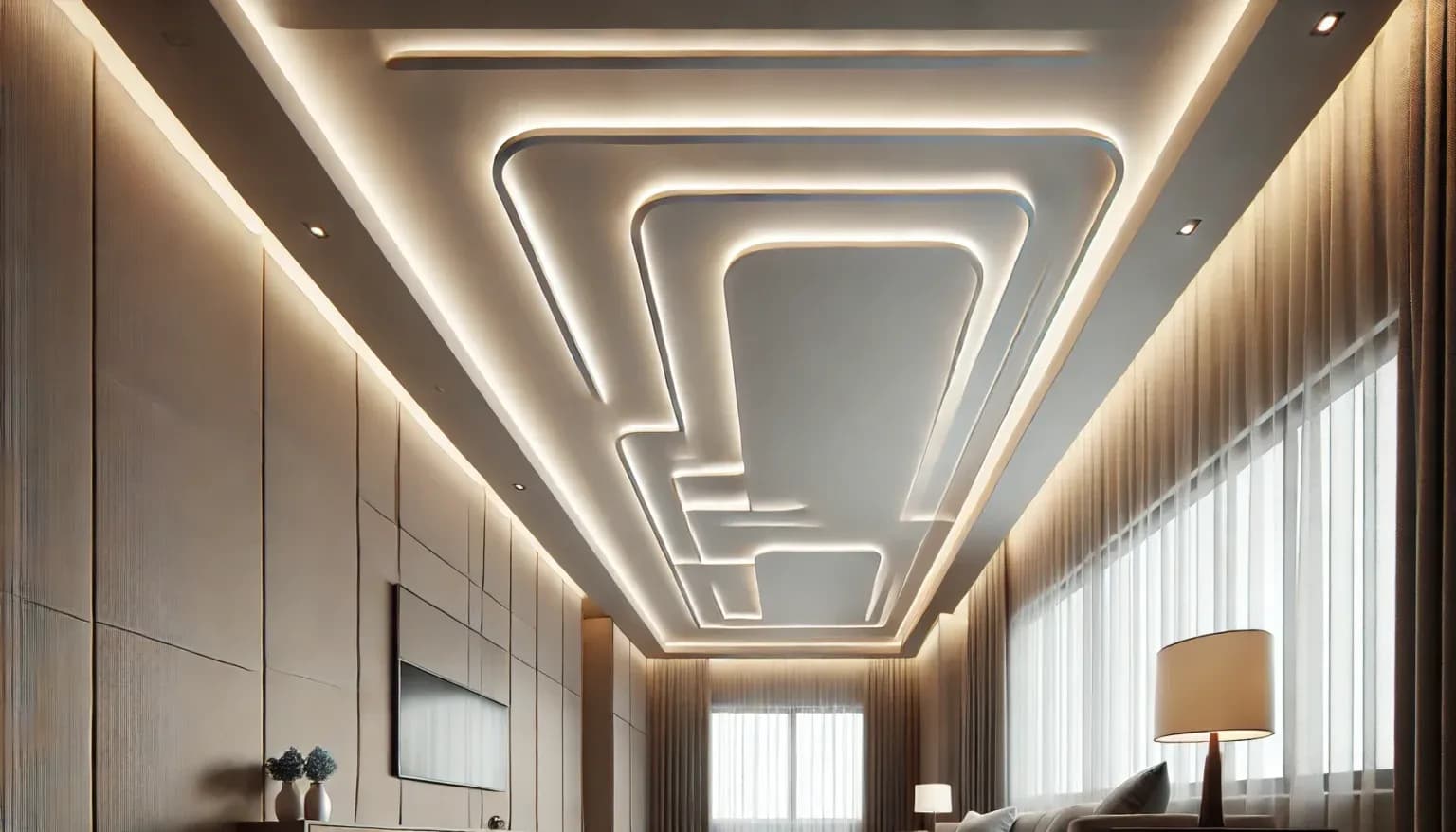
False ceilings and drywall partitions
Sinks, toilets, basins and old sanitary fittings
Light fittings, fans and old electrical fixtures
Old flooring, carpets and tiles
Renovation debris such as hacked tiles and rubble
How to Plan Your Dismantling and Disposal
Decide what to keep, sell, donate or dispose of. Go room by room and sort items before the work starts. Furniture in good condition may find a new home.
List what needs dismantling. Note built-in items, fixtures and fittings so your contractor can give an accurate quote.
Check building or estate rules. Condos and commercial buildings often have rules on working hours, lift bookings and loading areas.
Set a clear date. Schedule the clearance before your renovation or handover date, with a buffer for any surprises.
Arrange a site check and quote. Photos help, but a site check gives the most accurate picture of the job.
Sending clear photos of each item and room is the fastest way to get an accurate quote for dismantling and disposal.
Why Built-In Items Need Extra Care
Loose furniture is straightforward to remove, but built-in items are different. Kitchen cabinets are often connected to plumbing and may have appliances wired in. Wardrobes and shelving are fixed to walls, and partitions may hide electrical cables.
Removing these items without care can crack tiles, damage walls, burst pipes or expose live wires. Water and power points should be safely disconnected and capped before anything is taken out. This is where a professional team makes a real difference.
Safety Tips for Dismantling
Switch off power to areas where fittings are being removed.
Shut off the water supply before removing sinks, toilets or taps.
Wear gloves and eye protection when handling broken materials.
Get help with heavy items to avoid injury.
Keep children and pets away from the work area.
Protect floors and lift areas when moving bulky items out.
Disposing of Items Responsibly
Once everything is dismantled, it all has to go somewhere. Bulky furniture and renovation debris can't simply be left at the bin centre. Items should be bagged or bundled, carried out carefully and transported for proper disposal. Where possible, usable furniture can be donated and recyclable materials separated, reducing what goes to waste.
A professional disposal service handles the loading, transport and disposal for you, so you don't need to arrange separate lorries or worry about where debris ends up.
Office and Shop Strip-Outs
Commercial spaces often need a full strip-out before a renovation or at the end of a lease. This can include partitions, ceilings, carpets, workstations, pantry fittings and signage. Strip-outs need careful scheduling around building rules and handover dates, and are often combined with reinstatement works to return the unit to its original condition.
Leaving the Space Clean
A good dismantling job doesn't end when the last item leaves. The area should be swept, loose debris cleared and any small marks noted, so the space is ready for renovation or handover. A final walk-through helps make sure nothing has been missed.
DIY or Professional Help?
Moving a few pieces of loose furniture yourself is usually manageable. But for built-in cabinets, partitions, ceilings and sanitary fittings, professional help is the safer choice. A trained team has the right tools, knows how to disconnect water and power points safely, and can protect your floors, walls and lifts while working. They also take care of transport and disposal, which saves you from hiring lorries and handling heavy debris yourself.
Common Mistakes to Avoid
Leaving clearance to the last minute: this can delay your renovation start date or handover.
Pulling out built-ins by force: this often damages walls, tiles and hidden pipes, adding repair costs.
Forgetting water and power points: uncapped pipes and exposed wires are a real safety risk.
Underestimating the volume: renovation debris and old furniture take up more space than most people expect.
Ignoring building rules: blocking lifts or working outside permitted hours can lead to complaints and delays.
Moving-Out Checklist
If you're clearing a home or office before moving out, this quick checklist helps:
Sort items to keep, sell, donate and dispose of
Book the dismantling and disposal date
Arrange lift or loading bay bookings with building management
Disconnect appliances and arrange utility cut-offs
Check your tenancy agreement for any reinstatement requirements
Do a final walk-through once the space is empty, checking every room, cabinet and corner
Clear Your Space with FM Builder
FM Builder's dismantling and disposal services cover furniture, built-in cabinets, partitions, ceilings, fixtures and renovation debris for homes, offices and shops across Singapore. We disconnect water and power points safely, protect your property while we work and dispose of everything properly.
Need renovation after the clear-out? The same team can help. Contact us with photos of the items to remove, and we'll give you an upfront quote.