HDB Painting Guide: How to Get a Clean, Long-Lasting Finish
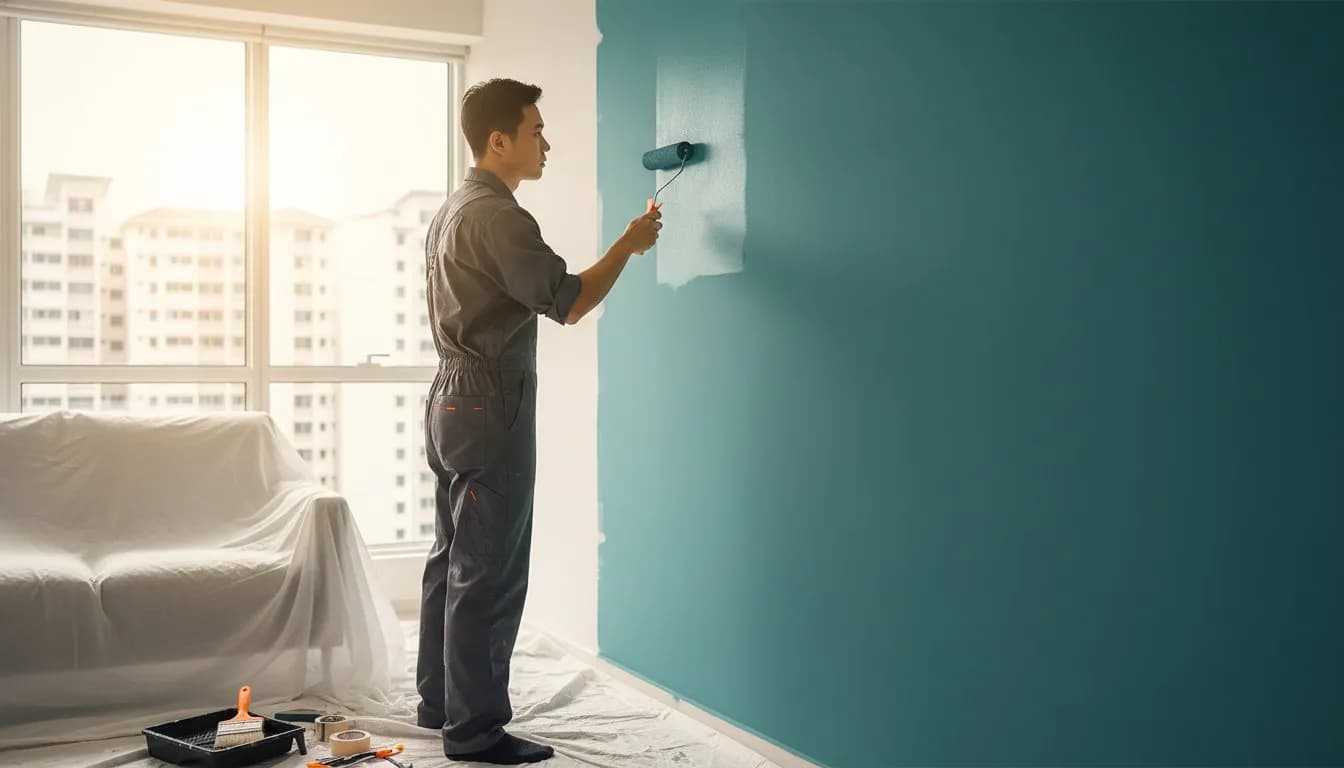
A fresh coat of paint is one of the simplest ways to transform a home. It brightens rooms, hides years of wear and makes a flat feel new again, whether you're moving in, preparing to sell or simply ready for a change.
But a great paint job is about much more than picking a colour. The right paint, careful preparation and neat workmanship are what separate a finish that lasts for years from one that peels in a few months. This guide covers everything you need to know about painting your HDB flat.
When Should You Repaint?
There's no fixed rule, but these signs suggest it's time:
Faded, dull or uneven colour
Scuffs, marks and stains that won't wipe off
Peeling, flaking or bubbling paint
Mould spots in bathrooms, kitchens or corners
Hairline cracks on walls or ceilings
Moving into a new home or renovating
Note that the external walls of HDB blocks are maintained by the Town Council, so homeowners usually only need to paint the inside of their flat.
Choosing the Right Paint
Interior Wall Paint
Most living spaces use water-based interior paint. It dries quickly, has a mild smell and cleans up easily. Many brands offer low-odour or low-VOC options, which are a good choice if you'll stay at home during painting or have young children.
Anti-Mould Paint
Singapore's humidity makes mould a common problem, especially in bathrooms, kitchens and rooms with poor ventilation. Anti-mould paint helps prevent mould growth in these damp areas. However, it isn't a cure for an existing leak. Any source of dampness must be fixed first.
Paint for Metal Surfaces
Gates, grilles and railings need different treatment. Rust should be removed, a suitable primer applied and the metal finished with paint made for metal surfaces.
Choosing the Right Finish
Paint finishes range from flat to shiny, and each suits different rooms:
Matte: a soft, non-reflective look that hides small wall imperfections. Ideal for bedrooms and living rooms.
Eggshell or satin: a gentle sheen that's easier to wipe clean. Good for busy areas and corridors.
Semi-gloss: more durable and washable, often used on doors, trims and in kitchens.
Tips for Choosing Colours
Test before you commit. Colours look different in morning and evening light, so check samples on your walls.
Use lighter shades in smaller rooms to make them feel bigger and brighter.
Keep a consistent palette so rooms flow naturally from one to the next.
Consider a feature wall if you want a bolder colour without overwhelming the space.
Why Preparation Matters Most
Paint can only be as good as the surface underneath it. Skipping preparation is the main reason paint peels, bubbles or shows patches. Proper preparation includes:
Filling cracks and holes, then sanding them smooth
Cleaning walls to remove dust, grease and stains
Treating mould and allowing the area to dry
Applying primer or sealer where needed, especially on repaired patches
Covering floors, furniture and fittings to protect them
If a wall is damp or stained from a leak, repainting won't solve it. Fix the leak first, let the wall dry fully, then paint.
DIY or Professional Painting?
Painting a single small room yourself can be a rewarding weekend project. For a whole flat, high ceilings or walls with cracks and mould, a professional painting team usually saves time and delivers a cleaner finish. Professionals also bring the right tools, protect your belongings and handle the clean-up afterwards.
What to Expect from a Professional Paint Job
A typical professional painting job follows a clear sequence: an inspection and quote, protecting floors and furniture, surface repairs and priming, two coats of paint for even coverage, and a final touch-up and clean-up. The time needed depends on the size of the flat and the condition of the walls, and a good painter will confirm the timeline before starting.
Preparing Your Home for Painters
A little preparation on your side helps the job run smoothly:
Confirm your colours early, including any feature walls, so the right paint can be ready on day one.
Clear small items such as photo frames, decorations and wall-mounted items.
Move fragile or valuable items out of the rooms being painted.
Plan for ventilation by keeping windows open where possible while paint dries.
Agree the schedule so you know which rooms will be painted on which days.
Painting Landed Homes and Exteriors
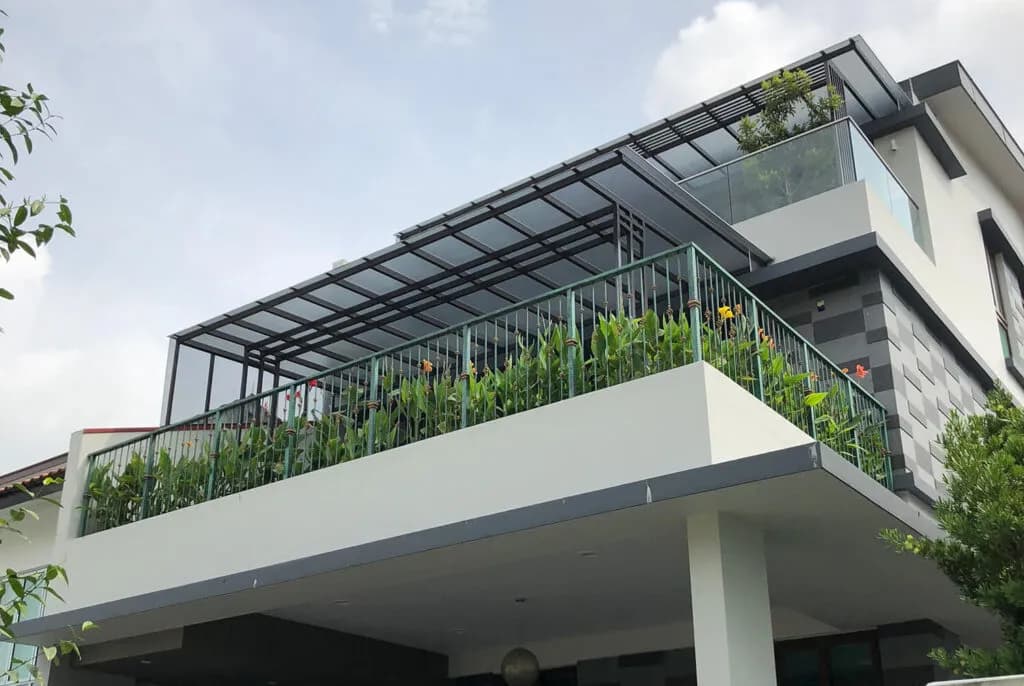
If you live in a landed home, the outside walls, gates and fences face strong sun and heavy rain all year round. Exterior walls should be painted with weather-resistant paint designed for outdoor use, and any cracks, algae or flaking paint should be treated first. Metal gates and grilles need rust removal and a protective primer before the topcoat, otherwise rust will quickly bubble through the new paint.
How Long Does a Paint Job Last?
How long paint lasts depends on the quality of the paint, the preparation and how the room is used. Bedrooms and living rooms in good condition can look fresh for several years, while kitchens, bathrooms and busy corridors may need attention sooner. Good preparation and the right paint for each area make the biggest difference to how long your finish lasts. Keeping rooms well ventilated, fixing leaks promptly and cleaning marks gently will also help your walls stay fresh for longer between repaints.
Keeping Your Walls Looking Good
Wipe marks gently with a soft, damp cloth before they set.
Avoid hanging heavy items on freshly painted walls for a few days.
Keep bathrooms and kitchens well ventilated to reduce mould.
Fix leaks and damp patches as soon as you notice them.
Keep a little leftover paint, labelled with the colour name and room, for small touch-ups.
Refresh Your Home with FM Builder
FM Builder offers interior and exterior painting services for HDB flats, condos, landed homes and offices. We repair walls, treat mould and prime surfaces before painting, protect your furniture and floors, and leave your home clean.
If your walls show water stains, our water leakage repair team can fix the cause first. Contact us for an upfront painting quote.